
Colorbond Fencing
Supply and install Colorbond fencing for boundaries, side returns and backyards across Perth, in a range of colours and heights. Call Perth Fencing Experts today!
Learn More →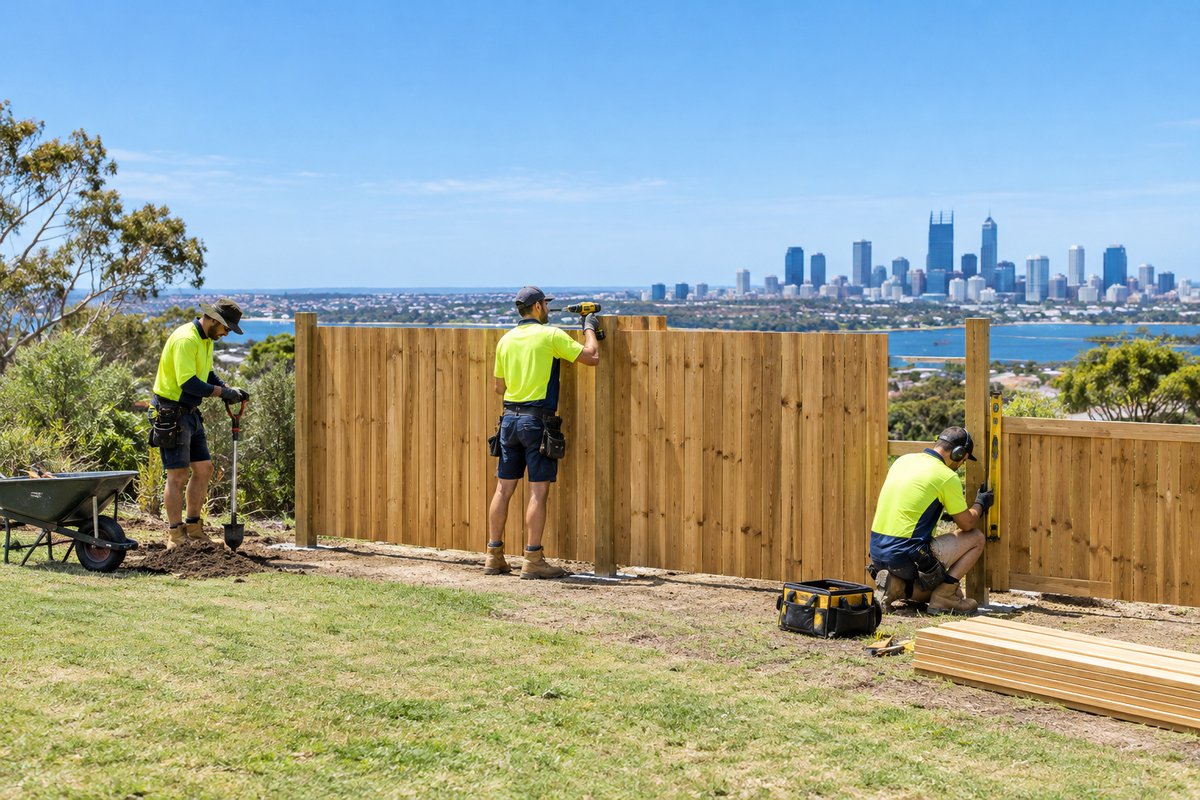
Treated pine and hardwood paling, lap-and-cap and picket fencing for privacy and a natural look. Call Perth Fencing Experts today!
Request a Free Quote
We build timber fencing across Perth for homeowners, landlords and builders who want a fence with the warmth of real wood. Our crews install lapped and capped paling, horizontal slat screens, picket fronts and lap-and-cap boundary fences using H4 treated pine posts, jarrah and merbau. Every post goes into a concrete footing sized for the soil on your block. If the old fence is leaning into your neighbour's yard after a windy winter, we can pull it out, take it away and rebuild it to a straight, solid line.
Perth is hard on timber. Long, dry summers and strong UV pull moisture out of the boards, which leads to cupping, splitting and grey weathering. Winter rain soaks the bottom rails, and fences near the coast cop the afternoon sea breeze day after day. Our grey sandy soils drain fast and give posts less natural grip, and subterranean termites are active across most suburbs. That's why we use in-ground rated posts or galvanised steel posts, keep timber off the soil with a plinth board, and fix everything with galvanised or stainless fasteners that won't rust or streak.
A timber fence often works best alongside other jobs on the same boundary. We can add a matching side gate or driveway gate through our gate installation service, framed so it doesn't sag over time. If only a few panels are damaged and the posts are still sound, our fence repairs team can replace palings or rails so you don't have to rebuild the whole run.
From string line to final paling, here's what happens on site.
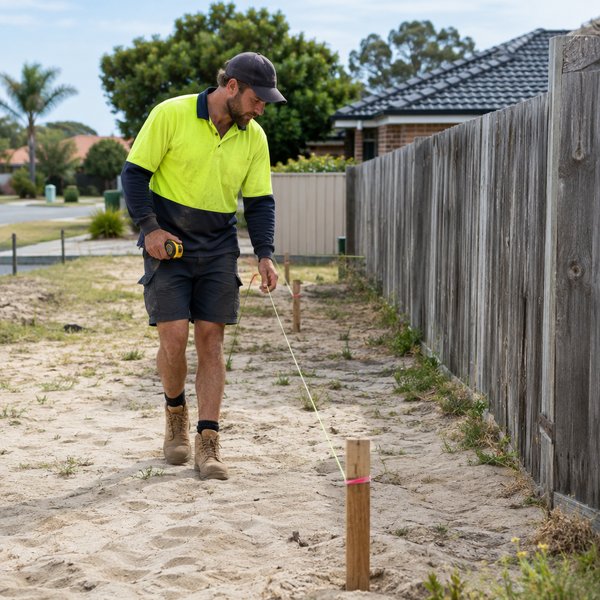
We walk the fence line with you, check the boundary pegs and look at slope, soil, reticulation lines and tree roots. We then string a line and mark each post position so the fence runs straight and the spacing suits the timber you've chosen.
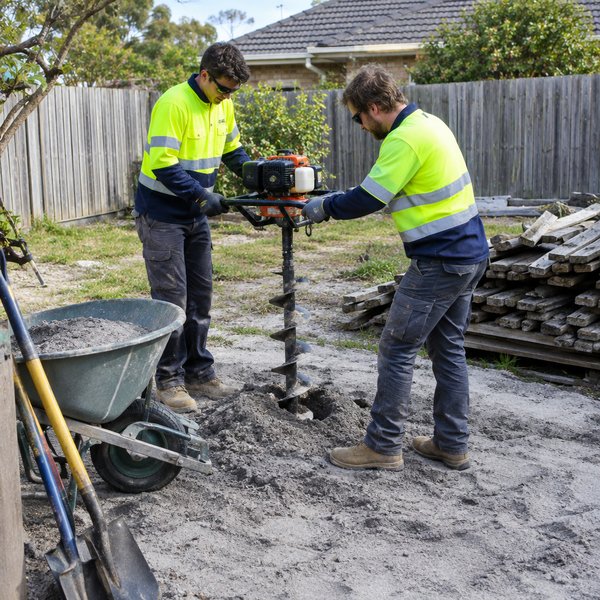
If there's an existing fence, we pull it down, remove the old posts and footings, and load the waste for disposal. We then dig the post holes with an auger, going deeper in loose sand so each post has enough bearing to resist wind load.
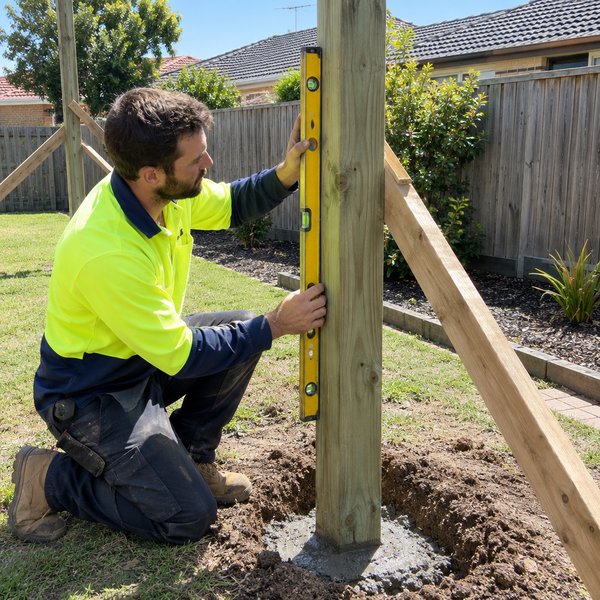
Posts are stood plumb, braced and set in concrete, then left to firm up before any load goes on them. Once they're solid, we fix the rails at a consistent height and fit a plinth board along the bottom to keep the timber clear of the soil.
We fix palings or slats with galvanised or stainless nails and screws, keeping gaps and overlaps even and the top line straight. Capping goes on where the design calls for it, and we finish by raking the area, removing offcuts and walking the fence with you.
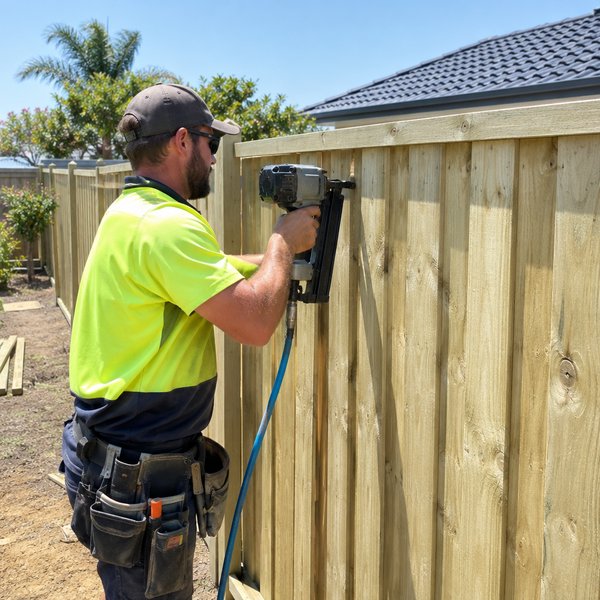
Privacy, strength and timber that handles our sun and sand.
Deep footings and properly braced posts stop the slow lean that so many older Perth fences develop in sandy ground. You get a boundary that stays upright through windy afternoons and winter storms, so you're not propping up panels every year.
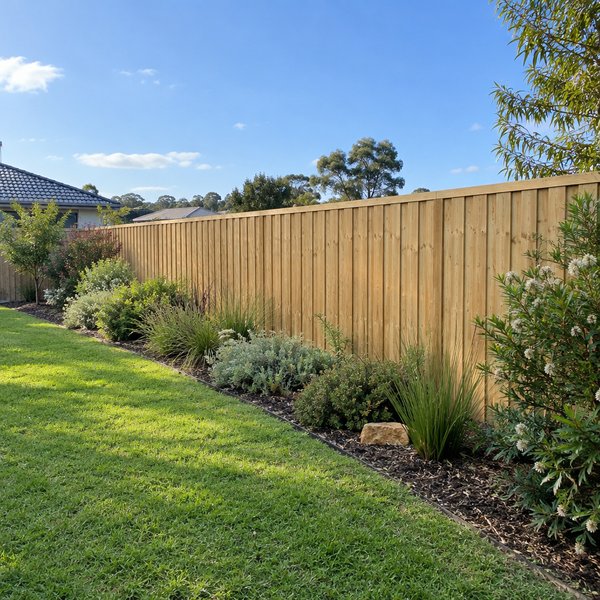
Lapped palings and tight horizontal slats block sight lines from the street and neighbouring windows. Solid timber also softens road noise, which makes the backyard more comfortable for kids, pets and weekend barbecues.
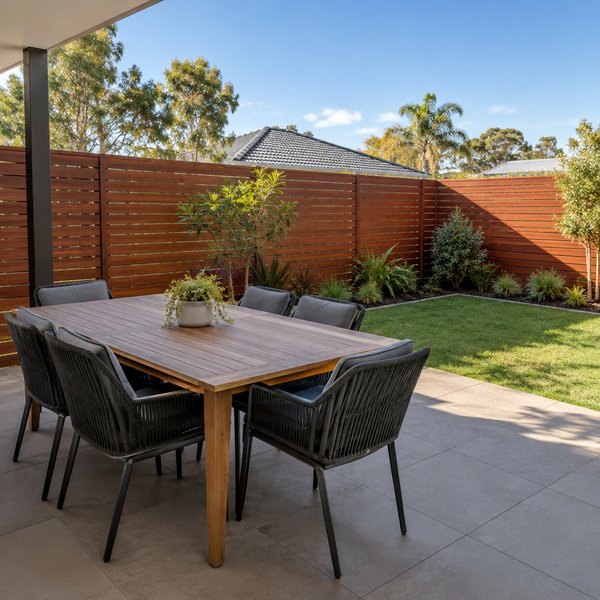
Correct treatment ratings, a plinth to keep timber off damp sand and corrosion-resistant fixings all reduce rot, termite damage and rust stains. A good start like this means your fence needs less repair work and keeps its look for longer with simple oiling.
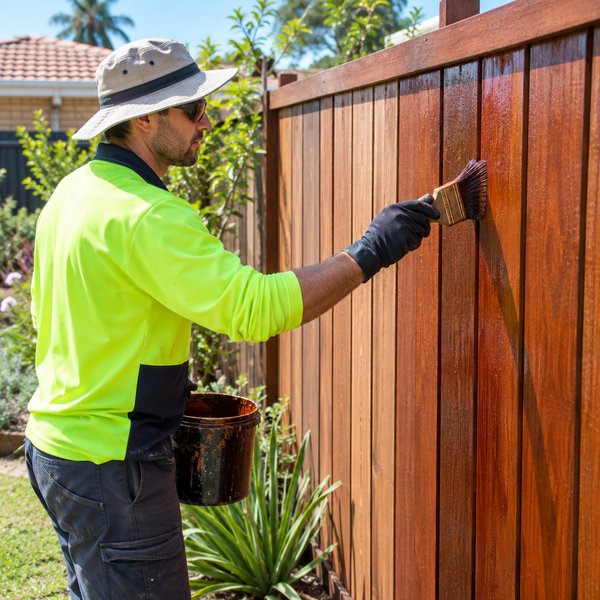
We know how quickly grey sand drains and how little grip it gives a post. We adjust footing depth and post spacing to suit the soil on your block, which is what stops fences leaning a few years down the track.
We choose post materials and treatment ratings based on termite risk, not just price. On blocks with a history of termite activity, we'll talk you through steel post options that still give you a timber look.
Because we also install Colorbond, aluminium slat and pool fencing, we can match a timber section with another fence type on the same property. We build matching timber gates as part of the same job, so the whole boundary looks consistent.
Our written quotes spell out the timber, post type, height and removal of the old fence, so there are no surprises. We clear offcuts, old palings and concrete spoil at the end of the job and leave your yard tidy.
Common questions answered
For most boundary fences we use treated pine, with in-ground rated posts and above-ground rated palings and rails. Jarrah and merbau look great for front fences and slat screens, and they handle Perth's sun well when they're oiled. If termites are a known problem on your street, we can use galvanised steel posts with timber infill instead.
The price depends on the length and height of the fence, the timber you choose, the style, and whether an old fence needs removing. Sloping blocks, retaining, access through the house and extra gates also affect the cost. We measure on site and give you a written quote so you know what's included.
In WA, dividing fences are covered by the Dividing Fences Act, and neighbours usually share the cost of a sufficient fence. It's best to talk with your neighbour before work starts and agree on the style and height. Some councils also have height limits or approval rules, so check with your local council if you're planning something taller or on a front boundary.
We use posts rated for in-ground contact, or galvanised steel posts on high-risk blocks, and set them in concrete. A plinth board keeps the palings off the sand and away from reticulation spray. Keeping garden beds, mulch and wood piles away from the fence base also helps a lot.
It depends on sun exposure, timber type and how close you are to the coast. North and west-facing fences in full sun dry out and grey faster than shaded ones. A good rule is to recoat once the timber starts looking dry and water no longer beads on the surface.